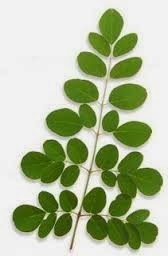
Phytonutrients in Moringa
Moringa, is loaded with phytonutrients; but what are phytonutrients and where are they found?
Phytonutrients
The term “phyto” originated from a Greek word meaning plant. Phytonutrients are certain organic components of plants, and these components are thought to promote human health. Fruits, vegetables, grains, legumes, nuts, and teas are rich sources of phytonutrients. Unlike the traditional nutrients (protein, fat, vitamins, minerals), phytonutrients are not “essential” for life, so some people prefer the term “phytochemical.”
Rui Hai Liu, M.D., Ph.D., Associate Professor of Food Science at Cornell University, has examined antioxidant activity in various fruits. Dr. Liu estimates there are probably thousands of phytonutrinets in plant foods, and that each one works with others to perform many protective functions. These include stimulating the immune system, warding off damage from free radicals and putting the brakes on cell growth.
What are the major classes of phytonutrients?
Some of the common classes of phytonutrients include:
Carotenoids
Flavonoids (Polyphenols), including Isoflavones (Phytoestrogens)
Inositol Phosphates (Phytates)
Lignans (Phytoestrogens)
Isothiocyanates and Indoles
Phenols and Cyclic Compounds
Saponins
Sulfides and Thiols
Terpenes
About Carotenoids
Of all the phytonutrients, the most known about are carotenoids, the red, orange, and yellow pigments in fruits and vegetables. The carotenoids most commonly found in vegetables (and in plasma) are listed below along with common sources of these compounds. Fruits and vegetables that are high in carotenoids appear to protect humans against certain cancers, heart disease, and age-related macular degeneration.
Carotenoid Common Food Source
alpha-carotene carrots, moringa
beta-carotene leafy green and yellow vegetables (eg. broccoli, sweet potato, pumpkin, carrots, moringa)
beta-cryptoxanthin citrus, peaches, apricots
lutein leafy greens such as kale, spinach, turnip greens, moringa
lycopene tomato products, pink grapefruit, watermelon, guava *
zeaxanthin eggs, citrus, green vegetables, moringa
About Polyphenols
Polyphenolic compounds are natural components of a wide variety of plants; they are also known as secondary plant metabolites. Food sources rich in polyphenols include onion, apple, tea, red wine, red grapes, grape juice, strawberries, raspberries, blueberries, cranberries, and certain nuts. The average polyphenol/ flavonoid intake in the U.S. has not been determined with precision, in large part, because there is presently no U.S. national food database for these compounds (USDA scientists and their colleagues are in the process of developing a database for foods rich in polyphenols). Scientists at the Food Composition Laboratory, Beltsville Human Nutrition Research Center are currently developing new methodology for the accurate measurement of polyphenols in foods. Polyphenols can be classified as nonflavonoids and flavonoids. The flavonoids quercetin and catechins are the most extensively studied polyphenols relative to absorption and metabolism.
Nonflavonoids Sources
ellagic acid strawberries, blueberries, raspberries coumarins
Flavonoids Sources
anthocyanins Fruits
catechins tea, wine
flavanones citrus
flavones Fruits and vegetables
flavonols Fruits, vegetables, tea, wine
isoflavones soybeans
How do phytonutrients protect against disease?
The following are commonly proposed mechanisms by which phytonutrients may protect human health. More research is needed to firmly establish the mechanisms of action of the various phytochemicals. Phytonutrients may:
Serve as antioxidants
Enhance immune response
Enhance cell-to-cell communication
Alter estrogen metabolism
Convert to vitamin A (beta-carotene is metabolized to vitamin A)
Cause cancer cells to die (apoptosis)
Repair DNA damage caused by smoking and other toxic exposures
Detoxify carcinogens through the activation of the cytocrome P450 and phase II enzyme systems
What is the present status of the art of phytonutrients research?
Population studies have linked fruit and vegetable consumption with lowering the risk for chronic diseases including specific cancers and heart disease. While media and consumer interest in phytonutrients and functional foods is far ahead of established proof that documents the health benefits of these foods or food components for humans, phytonutrient research is experiencing remarkable growth. For now, it appears that an effective strategy for reducing risk of cancer and heart disease is to increase consumption of phytonutrient-rich foods including fruits, vegetables, grains and teas.
Excerpt from WebMD
entire article: http://www.webmd.com/diet/phytonutrients-faq
Want To Buy Moringa Powder, Moringa Seeds and Moringa leaf? Call any of these numbers 08023659308, 08162280597 to Order.
Moringa, is loaded with phytonutrients; but what are phytonutrients and where are they found?
Phytonutrients
The term “phyto” originated from a Greek word meaning plant. Phytonutrients are certain organic components of plants, and these components are thought to promote human health. Fruits, vegetables, grains, legumes, nuts, and teas are rich sources of phytonutrients. Unlike the traditional nutrients (protein, fat, vitamins, minerals), phytonutrients are not “essential” for life, so some people prefer the term “phytochemical.”
Rui Hai Liu, M.D., Ph.D., Associate Professor of Food Science at Cornell University, has examined antioxidant activity in various fruits. Dr. Liu estimates there are probably thousands of phytonutrinets in plant foods, and that each one works with others to perform many protective functions. These include stimulating the immune system, warding off damage from free radicals and putting the brakes on cell growth.
What are the major classes of phytonutrients?
Some of the common classes of phytonutrients include:
Carotenoids
Flavonoids (Polyphenols), including Isoflavones (Phytoestrogens)
Inositol Phosphates (Phytates)
Lignans (Phytoestrogens)
Isothiocyanates and Indoles
Phenols and Cyclic Compounds
Saponins
Sulfides and Thiols
Terpenes
About Carotenoids
Of all the phytonutrients, the most known about are carotenoids, the red, orange, and yellow pigments in fruits and vegetables. The carotenoids most commonly found in vegetables (and in plasma) are listed below along with common sources of these compounds. Fruits and vegetables that are high in carotenoids appear to protect humans against certain cancers, heart disease, and age-related macular degeneration.
Carotenoid Common Food Source
alpha-carotene carrots, moringa
beta-carotene leafy green and yellow vegetables (eg. broccoli, sweet potato, pumpkin, carrots, moringa)
beta-cryptoxanthin citrus, peaches, apricots
lutein leafy greens such as kale, spinach, turnip greens, moringa
lycopene tomato products, pink grapefruit, watermelon, guava *
zeaxanthin eggs, citrus, green vegetables, moringa
About Polyphenols
Polyphenolic compounds are natural components of a wide variety of plants; they are also known as secondary plant metabolites. Food sources rich in polyphenols include onion, apple, tea, red wine, red grapes, grape juice, strawberries, raspberries, blueberries, cranberries, and certain nuts. The average polyphenol/ flavonoid intake in the U.S. has not been determined with precision, in large part, because there is presently no U.S. national food database for these compounds (USDA scientists and their colleagues are in the process of developing a database for foods rich in polyphenols). Scientists at the Food Composition Laboratory, Beltsville Human Nutrition Research Center are currently developing new methodology for the accurate measurement of polyphenols in foods. Polyphenols can be classified as nonflavonoids and flavonoids. The flavonoids quercetin and catechins are the most extensively studied polyphenols relative to absorption and metabolism.
Nonflavonoids Sources
ellagic acid strawberries, blueberries, raspberries coumarins
Flavonoids Sources
anthocyanins Fruits
catechins tea, wine
flavanones citrus
flavones Fruits and vegetables
flavonols Fruits, vegetables, tea, wine
isoflavones soybeans
How do phytonutrients protect against disease?
The following are commonly proposed mechanisms by which phytonutrients may protect human health. More research is needed to firmly establish the mechanisms of action of the various phytochemicals. Phytonutrients may:
Serve as antioxidants
Enhance immune response
Enhance cell-to-cell communication
Alter estrogen metabolism
Convert to vitamin A (beta-carotene is metabolized to vitamin A)
Cause cancer cells to die (apoptosis)
Repair DNA damage caused by smoking and other toxic exposures
Detoxify carcinogens through the activation of the cytocrome P450 and phase II enzyme systems
What is the present status of the art of phytonutrients research?
Population studies have linked fruit and vegetable consumption with lowering the risk for chronic diseases including specific cancers and heart disease. While media and consumer interest in phytonutrients and functional foods is far ahead of established proof that documents the health benefits of these foods or food components for humans, phytonutrient research is experiencing remarkable growth. For now, it appears that an effective strategy for reducing risk of cancer and heart disease is to increase consumption of phytonutrient-rich foods including fruits, vegetables, grains and teas.
Excerpt from WebMD
entire article: http://www.webmd.com/diet/phytonutrients-faq
Want To Buy Moringa Powder, Moringa Seeds and Moringa leaf? Call any of these numbers 08023659308, 08162280597 to Order.